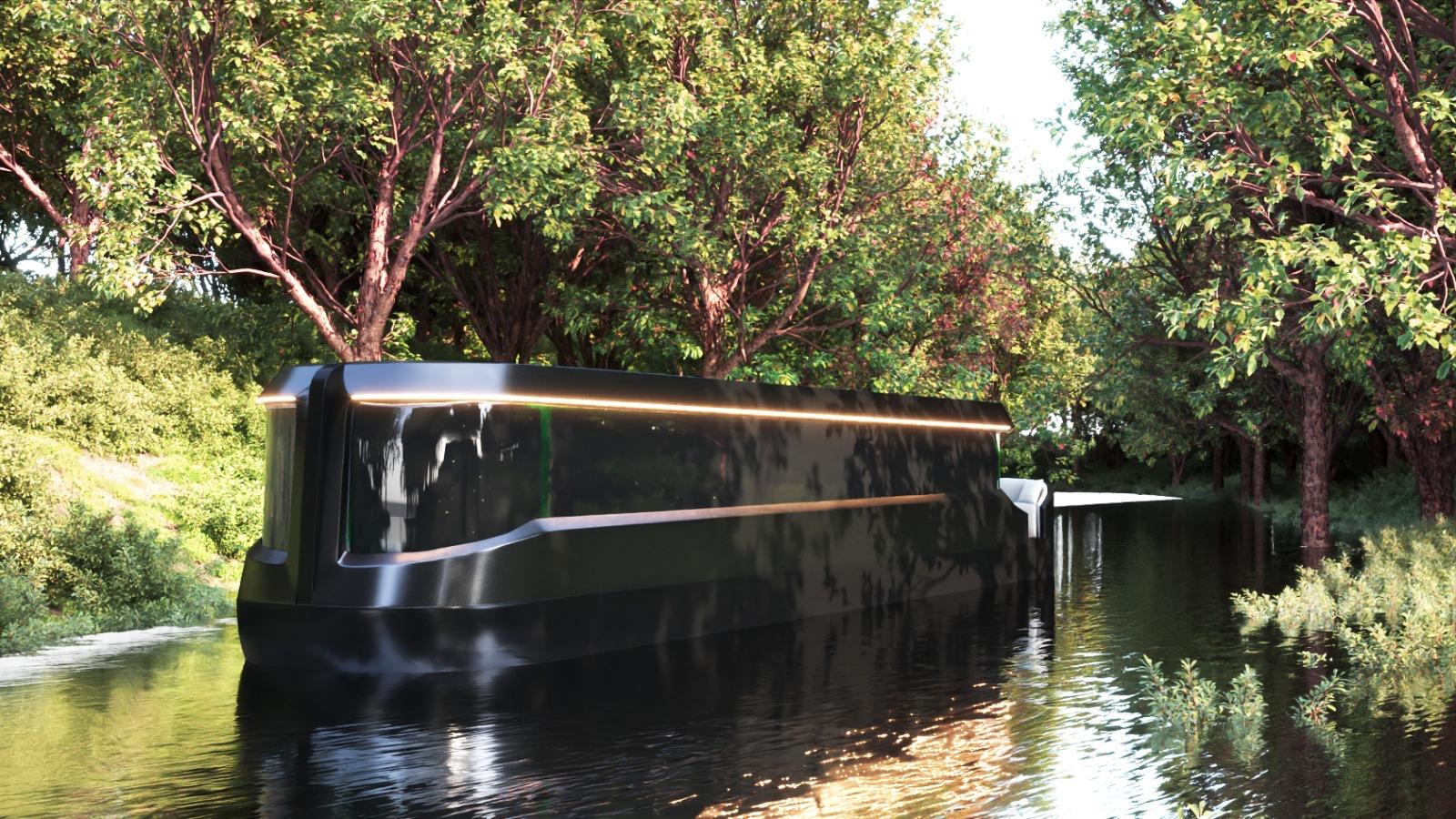
Electric narrowboats

Quiet power, designed as one complete system.

Oakums specifies electric propulsion around the boat, the batteries, charging sources and the way you expect to cruise. Electric prices start from £145,000.

Bowless electric from £145,000Open Bow electric from £175,000Closed Bow electric from £185,000
Oakums electric narrowboat on the waterways

The complete system

More than replacing an engine.

An electric narrowboat works best when propulsion, battery storage, charging and domestic energy use are designed together. Oakums develops the system around the boat, the waterways you intend to cruise and the time you expect to spend away from shoreline power.

The aim is quiet, responsive control with an installation that remains understandable, monitorable and serviceable throughout ownership.

Electric motor options

A platform chosen for the boat.

There is no single motor specification for every owner. Oakums offers a proven standard platform and can develop a more individually configured alternative where the brief calls for it.

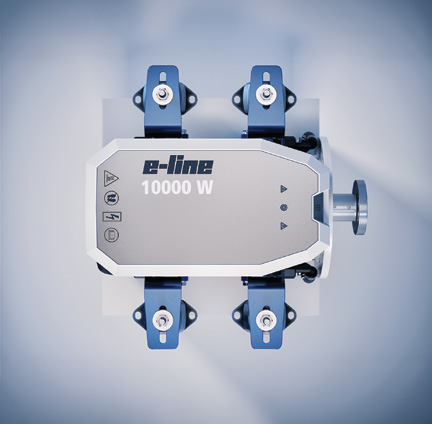
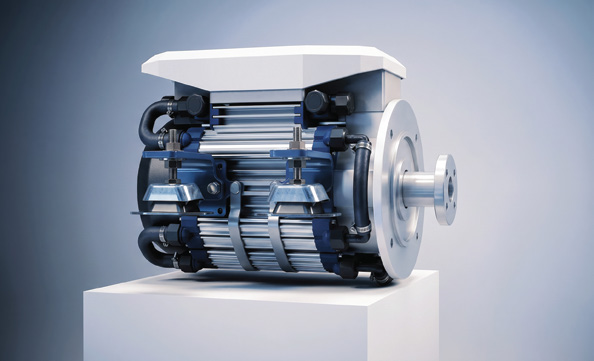
VETUS E-Line electric propulsion motor

Standard Oakums platform

VETUS E-Line

A compact marine electric propulsion platform suited to responsive control and canal speed cruising. Motor output and the surrounding installation are confirmed against the selected boat and agreed use.

  • Established marine manufacturer
  • Compact installation
  • Quiet, responsive control
  • Integrated as part of the complete energy system
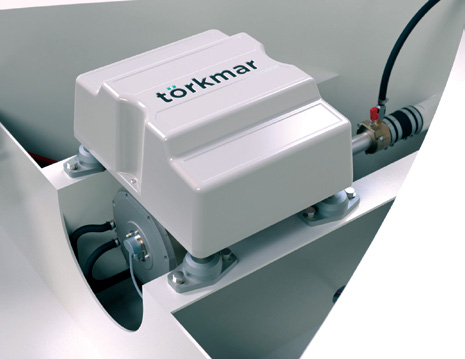
Torkmar electric propulsion motorTorkmar electric narrowboat drive equipment

Individual configuration

Torkmar

A Torkmar system can be considered where the brief benefits from a more individually configured propulsion and energy package. Oakums matches the motor, battery capacity and charging strategy to the intended cruising pattern.

  • System led configuration
  • Propulsion and energy planned together
  • Designed around individual cruising requirements
  • Output confirmed for the selected build

Final motor choice, output and equipment are confirmed in the written specification for each boat.

A standard, not a restriction

The specification should fit the owner.

VETUS E-Line gives Oakums a dependable starting point, but a standard platform will not suit every route, boat or ambition. Where the evidence supports a different answer, Oakums will explore it rather than forcing the brief back into a conventional package.

That flexibility is disciplined by engineering. Every alternative still has to work as part of a safe, serviceable and properly documented boat.

Energy ecosystem

Four parts. One considered system.

Each part affects the others. Oakums plans the installation as a whole rather than treating the motor as a standalone product.

01

Propulsion

Motor output and control selected for the boat, expected waterways and intended use.

02

Battery storage

Lithium capacity planned around propulsion and the energy used by everyday life aboard.

03

Charging

Shoreline, solar and generator support combined according to how and where you cruise.

04

Monitoring

Useful information arranged so you can see what remains, what is arriving and what is being used.

Electric, made simple

Think of the whole boat as one energy system.

Efficient electric boating comes from making propulsion, storage, charging, domestic power and monitoring work together.

Energy in

Solar, shoreline or generator

Store it

48V battery bank

Use it wisely

Propulsion and life onboard

Use less

The easiest energy to replace is energy you never used.

Waste less

Conversions and unnecessary loads take something from the battery.

Design for the journey

Optimise for how a narrowboat actually cruises, not a headline power number.

Motor and propeller

Power is only useful if you can turn it into thrust.

A narrowboat is a heavy displacement hull. It does not climb onto the surface and plane like a speedboat, so the propulsion problem is different: move a large mass of water efficiently at relatively low boat speed.

01

Start with the propeller

Diameter, pitch, blade area, hull clearance and shaft speed determine how effectively the propeller can absorb motor power and accelerate water astern. A larger propeller can offer substantially more blade area, but only when the hull geometry gives it room to work.

Why 20in matters: a 20-inch diameter disc has 56.25% more area than a 16-inch disc. That does not mean 56.25% more thrust by itself, but it demonstrates how quickly the available swept area increases with diameter.

02

Then match the motor

Torque is the motor's twisting force. For displacement propulsion, useful torque at low shaft speed allows a larger propeller to be driven without relying on very high RPM. This is why comparing electric motors by headline kW alone can be misleading.

Compare sustainable output. Peak or instantaneous torque is useful for manoeuvring and acceleration, but the rated duty and sustainable torque tell you much more about what a motor can actually maintain.

A worked example

Törkmar Tidal 15kW

143 NmRated torque
245 NmInstant torque
1,000 rpmNominal speed

Törkmar publishes these figures for its 48V Tidal 15kW. The point is not simply that it is a 15kW motor. It is engineered around high torque and relatively low shaft speed for displacement craft.

Propeller → water → thrust

  1. Motor turns the shaft. Torque overcomes the hydrodynamic load on the blades.
  2. Propeller accelerates water astern. Blade geometry creates a pressure difference and changes the water's momentum.
  3. The boat is pushed ahead. The reaction force is thrust. Matching motor, propeller and hull determines how efficiently electrical energy becomes useful movement.
  4. More throttle is not free. As speed and propeller loading rise, power demand can rise rapidly. Efficient canal cruising therefore depends on operating the whole system sensibly.

Diameter

How wide the propeller is. More diameter generally gives more disc area, subject to hull, skeg and counter clearance.

Pitch

The theoretical distance the propeller would advance in one revolution through a solid medium. Pitch must suit motor torque, RPM and hull load.

Blade area

The working surface transferring force to the water. Diameter alone does not describe the whole propeller.

Oakums principle: do not choose the motor in isolation. Establish the hull and propeller envelope, understand the cruising duty, then match motor, shaft speed, batteries and charging around the real boat.

AC versus DC

Follow the energy, and electric boating becomes much easier to understand.

Your propulsion battery is a DC energy store. The motor and controller, together with many efficient onboard loads, can use DC. Familiar domestic equipment normally expects 230V AC. An inverter creates that AC supply, but every conversion and permanently energised device has an energy cost.

Solar

DC generation

MPPT

Controls solar charging

48V battery

Stores DC energy

DC route: avoid a conversion

The propulsion controller, DC lighting, USB charging and suitable DC equipment can take energy from the DC system without first creating a 230V household supply. That can reduce unnecessary conversion and standby losses.

This does not mean everything should be DC. It means each load should be considered as part of the energy budget.

AC route: battery → inverter → appliance

For a kettle, induction hob, oven, hairdryer and other mains equipment, the inverter synthesises 230V AC from the battery. Modern quality inverters are efficient, but not lossless, and they also consume some power simply by being awake.

So the question is not merely how big is the battery? It is what is on, for how long, and how many conversions are happening?

Why inverter size matters

Power, kW

How quickly energy is being used. A 2kW appliance running for half an hour consumes roughly 1kWh before allowing for conversion losses.

Energy, kWh

How much has been used over time. Battery capacity and daily solar production make much more sense when discussed in kWh.

Simultaneous load

An inverter must cope with what may operate together. Hob, kettle and washing machine together create a different design case from each appliance used separately.

One boat. Two electrical worlds.

Energy pathWhat happensDesign question
Solar → batteryDC is regulated by the solar charge controller and storedHow much roof area, shading and seasonal yield?
Shore or generator → charger → batteryAC is converted to controlled DC chargingCan the charger actually use the available shore or generator supply?
Battery → controller → motorDC energy becomes controlled electrical drive and then mechanical shaft powerWhat does the boat really draw at cruise and under manoeuvring load?
Battery → inverter → 230V loadsDC is converted to ACWhat loads overlap, and is leaving the inverter on worthwhile?

Oakums approach: we design around the energy journey, not a collection of impressive component sizes. A larger inverter, charger, generator or battery is only useful when the rest of the system can make sensible use of it.

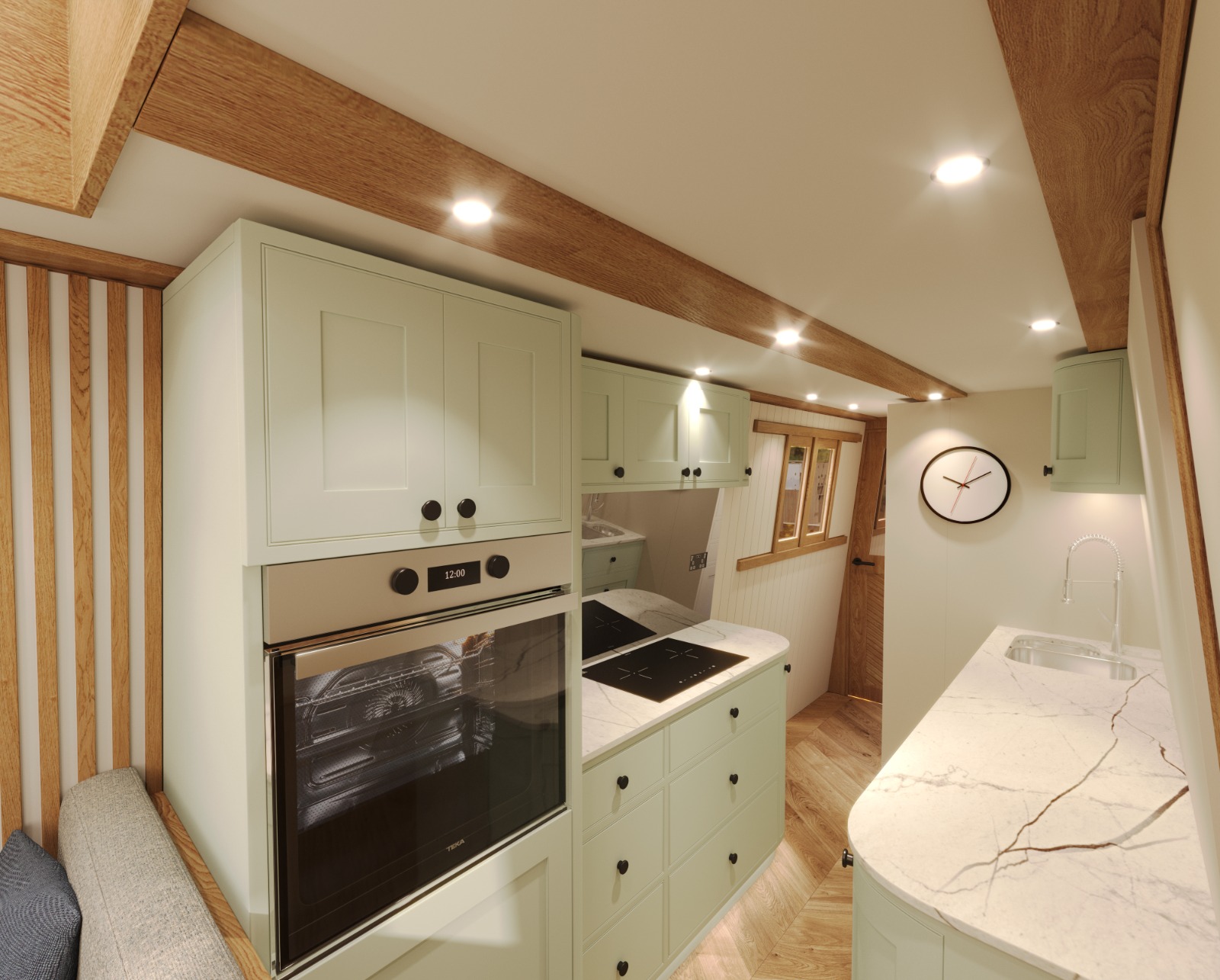
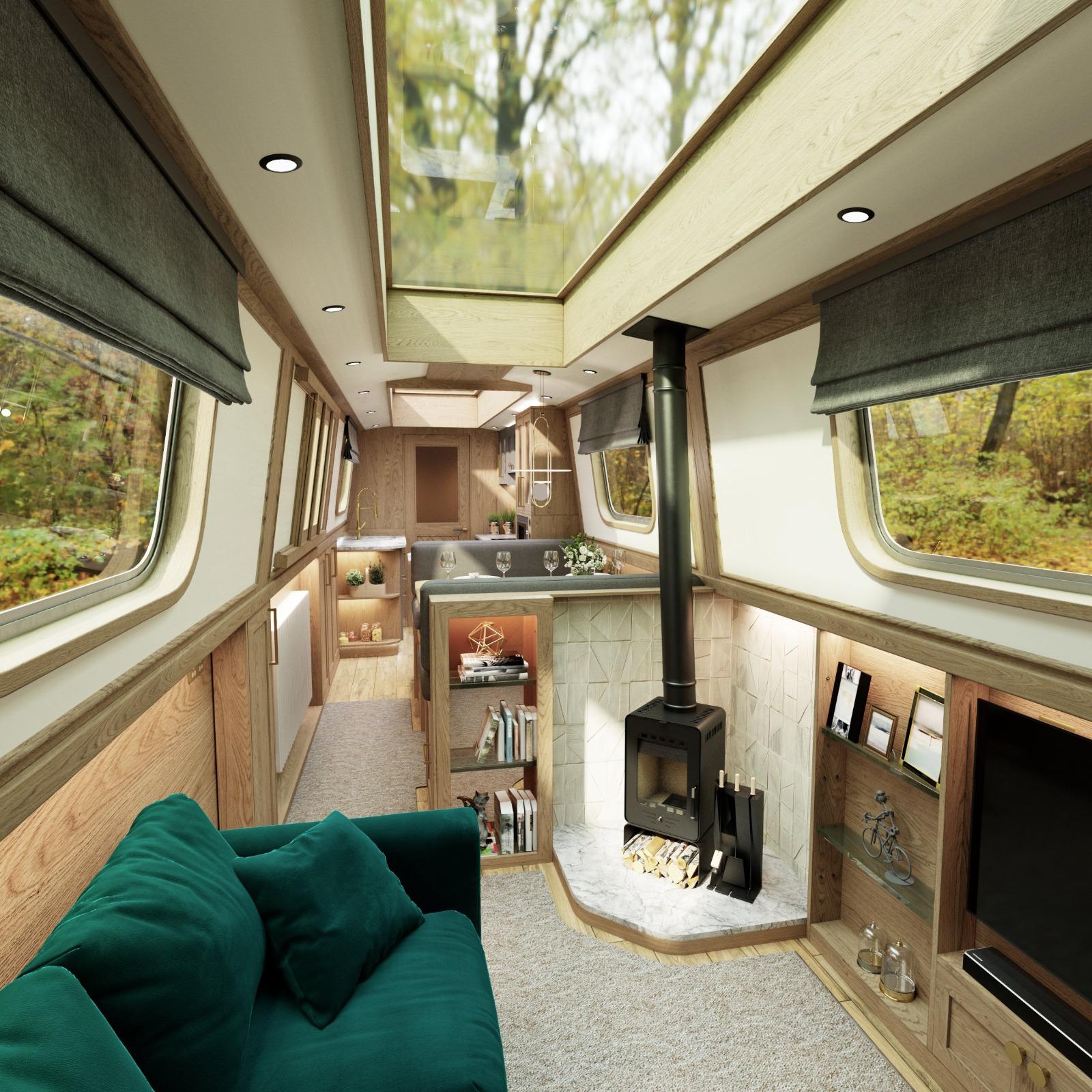
Oakums electric narrowboat cruising on the inland waterwaysLight oak interior of a completed Oakums narrowboatOakums galley and fitted oak joinery

Three charging methods

Energy from more than one source.

A resilient electric boat should not be explained through one ideal summer day. The charging mix needs to work across your real cruising year.

01

Shoreline

Connect to a suitable mains supply while moored for dependable battery charging and onboard power.

03

Generator

Specify generator support where winter, extended cruising or unusually high demand makes it appropriate.

Understand the numbers

Power and energy, explained clearly.

Electric specifications become easier to compare when three different measurements are not treated as if they mean the same thing.

kW

Motor power

Describes the rate at which the motor can deliver power. A larger number is not automatically a better boat.

kWh

Stored energy

Describes the energy held by the battery bank. Usable capacity and genuine demand matter more than a headline alone.

kW

Charging rate

Describes how quickly energy can be returned under suitable conditions. The source and battery limits both matter.

Oakums will show how the proposed figures relate to your expected cruising and domestic use before the specification is agreed.

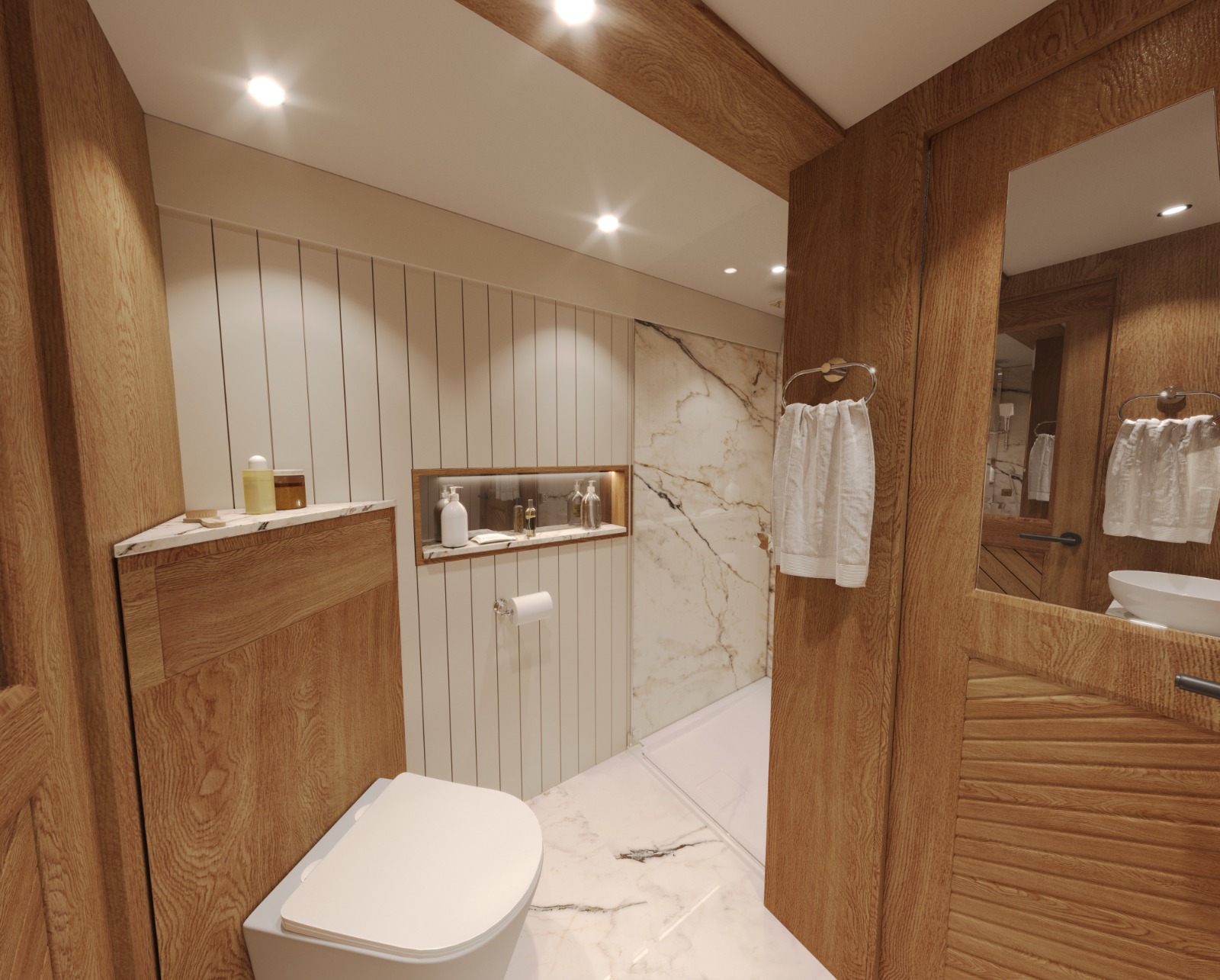
Carefully finished Oakums narrowboat interior

Lithium battery systems

Stored energy, safely managed.

Battery capacity is selected after considering propulsion, cooking, refrigeration, laundry, entertainment and working aboard. Monitoring, system protection, isolation, ventilation and access for future servicing form part of the design.

  • Capacity planned around real demand
  • Integrated monitoring and system protection
  • Isolation and service access considered early
  • Optional additional protection discussed during specification

Monitoring

Everything needs to talk to everything else.

Useful monitoring turns a complicated electrical system into information a skipper can act on. The display should answer real questions rather than simply present more numbers.

Battery

SoC

Energy remaining

Solar

Input

Energy arriving

Motor

Draw

Propulsion demand

System

Temperatures

Motor and controller

Charging

Source

What is active and contributing

A change in motor draw can itself be useful information, prompting a check of conditions or possible propeller fouling. Good data should reduce guesswork, not create more of it.

Choose with evidence

Electric is a choice, not a rule.

Oakums offers diesel and electric propulsion. The right answer depends on the experience, budget and independence you want from the boat.

Electric may suit you if

You value quieter cruising and integrated energy.

It can be a strong fit when your cruising pattern, charging opportunities and onboard demand support the proposed system.

Look carefully if

Your plans involve sustained demand or limited charging.

Long consecutive cruising days, shaded moorings and high winter use may increase reliance on generator or shoreline charging.

Diesel may suit you if

You prefer familiar refuelling and long range simplicity.

Oakums can specify diesel where it is the more practical and better value answer for your intended use.

Battery basics

The language, translated.

You do not need to become an electrical engineer, but a few terms make an electric boat much easier to understand.

SoCState of Charge. How full the battery is now.
SoHState of Health. Present capacity compared with new.
DoDDepth of Discharge. Capacity already used.
BMSThe battery's electronic protection and control system.
CAN busThe data network equipment uses to communicate.
Cell balancingKeeping cell voltages aligned.
OVP / UVPOver and under-voltage protection.
OCPOver-current protection.
OTP / UTPOver and under-temperature protection.

Battery chemistry comparison

LiFePO4 versus lead carbon

CharacteristicLiFePO4Lead carbon
Charge efficiency95–98%80–88%
Guide cycle life at 80% DoD4,000–6,000+1,500–2,500
Cold conditionsNeeds temperature managementGenerally more tolerant

These are broad guide figures, not a promise for every product. Actual performance and service life depend on the selected equipment, temperature, charging, discharge pattern and system management.

Solar panels

The roof is part of the power station.

Panel construction, installation, shading and how the boat is used all affect the result.

Semi-flexible

Low profile and practical on a cruising narrowboat. Substrate quality matters because a steel roof expands as it heats, so the installation needs to accommodate movement.

Rigid and tilting

Often lower cost and capable of being aimed towards the sun, useful where a boat spends longer stationary.

Cell technology

Cell technologyGuide efficiency
Monocrystalline19–22%
Monocrystalline PERC20–23%
Monocrystalline bifacial20–25%
Polycrystalline15–19%

Solar figures are guides rather than guaranteed output. Roof area, panel specification, installation, season, temperature, weather and shading all affect real generation. Explore the complete Oakums solar approach →

Installation

Small details carry very large currents.

Cable size, run length, terminations, fuse voltage rating and manufacturer torque settings all matter.

Cabling

Conductor size must suit current, distance and allowable voltage drop.

Terminations

Correct crimping, insulation and clean contact surfaces are critical to a reliable high-current system.

Fuses and torque

Fuses must suit both current and DC voltage. Terminals should be tightened to the equipment manufacturer's specified torque.

Current electric range

Choose the boat, then design the system.

Start your Oakums

Plan an electric Oakums.

Tell us where, how often and how far you expect to cruise, plus the equipment you want aboard. Oakums will explain the practical system, current range price and next step.

This private preview will not send information.